



The Right Data: What It Really Takes to Understand Learner Outcomes
The conversation at SXSW EDU highlights how three organizations with three different data journeys are all working toward the same goal: real economic mobility for their learners.

The non-degree credentials ecosystem is full of innovation. But without the right data, that innovation cannot deliver on its most important promise: opening doors to economic mobility. Organizations leading this work understand that being data-driven isn't just about collecting metrics. It's about having the right data — high-quality, longitudinal outcomes information that follows learners' post-credential trajectories and answers the questions that matter.
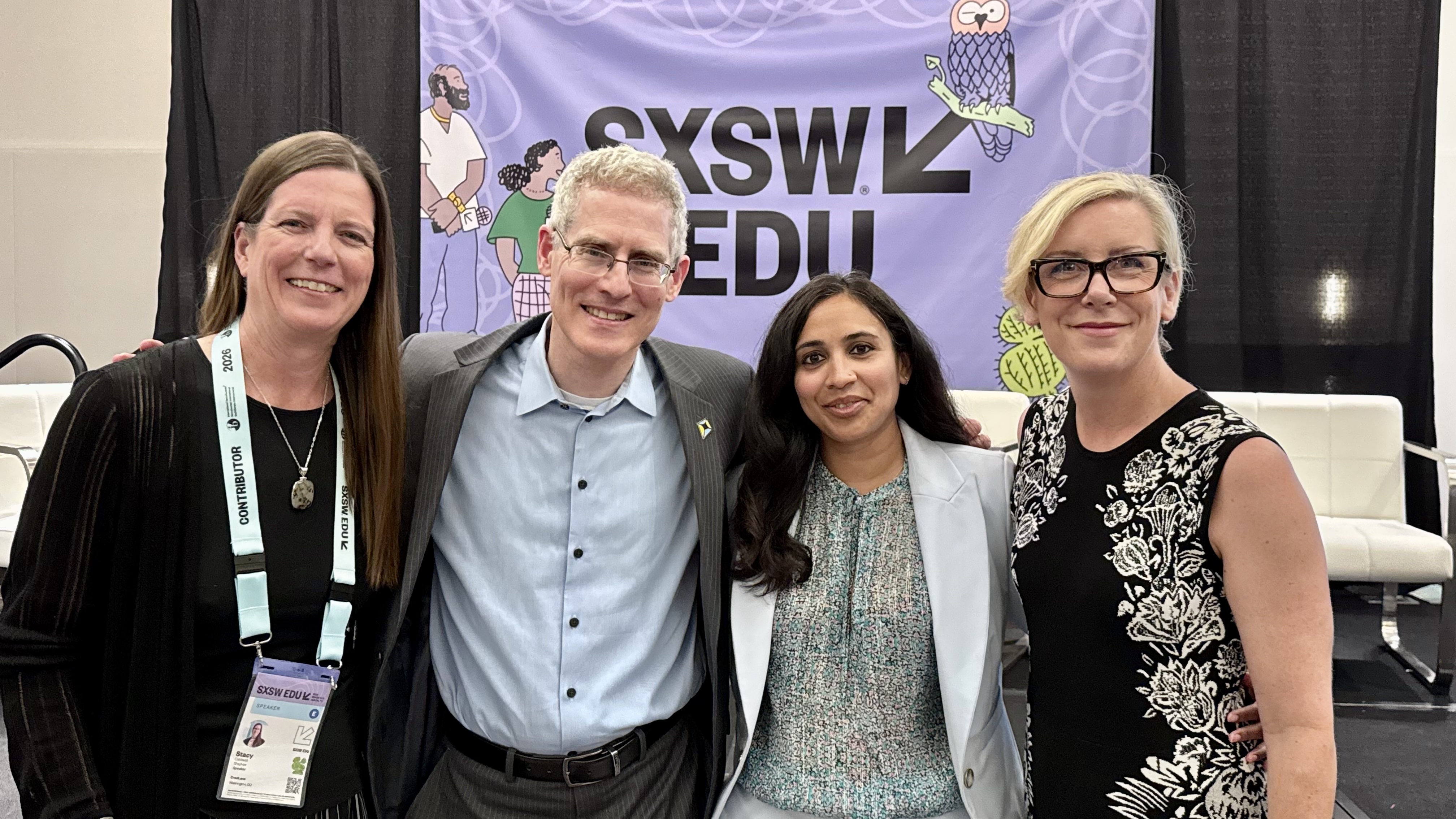
That distinction came to life in a conversation moderated by CredLens CEO Stacy Caldwell at SXSW EDU with leaders from three organizations using data to drive change. These institutions are each at a different stage in their data journey, but what unites them is a shared conviction: data is only valuable if it connects back to one question – Are we actually improving our learners' lives?
Having the right data means seeing what you couldn’t before.
Franklin Cummings Tech is a Boston-based technical college training students for careers in high-demand trades like automotive technology, HVAC, and electrical work. They have a strong data culture—surveying graduates and tracking employment outcomes—but without long-term data, they were missing a critical part of the picture.
"We didn't see it because we didn't have access to see it," said Michael Goldstein, the college's head of innovation.
The institution's surveys had long suggested that their one-year and two-year automotive technology programs produced similar outcomes. When they analyzed longer-term earnings data through CredLens, the picture looked very different and it completely shifted how they advised their learners.
Having the right data means having insights at your fingertips.
Jewish Vocational Service (JVS) Bay Area is a workforce development nonprofit that has served job seekers in the San Francisco Bay Area for over 80 years, with deep expertise in helping underserved populations access career pathways. Outcomes data isn't new to them—it's a strategic asset.
But even a rich data culture runs into walls:
- State wage records don't capture gig work or out-of-state employment
- Access to current state datasets is not guaranteed nor are they tailored to JVS's needs
- Reconciling multiple data sources consumed capacity that belongs on program strategy
More data sources that are better integrated, means a more complete picture. For JVS Bay Area, that's not a nice-to-have. "We define success not as placement, which is the typical workforce definition of success," Lisa Countryman-Quiroz, CEO of JVS - Bay Area, explained. "We see success as long-term economic mobility." With reliable access to the right data, that story becomes visible—and replicable.
Having the right data means answering the right questions.
Calbright College, serving working adults who are not best served by the traditional semester schedule, is California's only statewide, fully-online community college. Even as it opens access for learners who might otherwise be left out, its innovative model means it's locked out of the data infrastructure most institutions rely on, like FAFSA and standard cohort reporting.
That data gap doesn't change the question at the heart of their mission: does what we offer actually improve our learners' lives?
For Ajita Talwalker Menon, president and CEO of Calbright, answering that question means being clear about whose perspective shapes the data they seek. Employers want to see skills. Institutions track credentials. Policymakers emphasize accountability. "But what our learners focus on," Ajita explained, "is value."
The Right Data Changes What You Can See—and What You Can Do
When institutions gain access to the right data, they get better at what they do. Programs improve. Advising improves. Learners are better positioned for lasting economic mobility. As Goldstein put it, for a truly data-driven organization, "everything becomes a chance to learn something."
Learn more about how CredLens connects verified credential data with trusted employment and earnings outcomes, giving institutions the insight they need to learn, strengthen programs, and drive impact for their learners.
Latest posts

Non-degree credentials are growing year after year. Whether they're paying off is a harder question to answer and few credential issuers have the data to show stakeholders what their programs are actually worth.

For credential issuers serious about demonstrating program value, career mobility — new roles, new industries, measurable wage growth — is the metric that actually reflects whether a credential delivered on its promise.

To ensure short-term credentials deliver real economic mobility, the higher ed ecosystem must move beyond expanding access and rely on quality outcomes data to prove program value.